
The Untold
Gay Gun Story
This project was supported by The Pulitzer Center
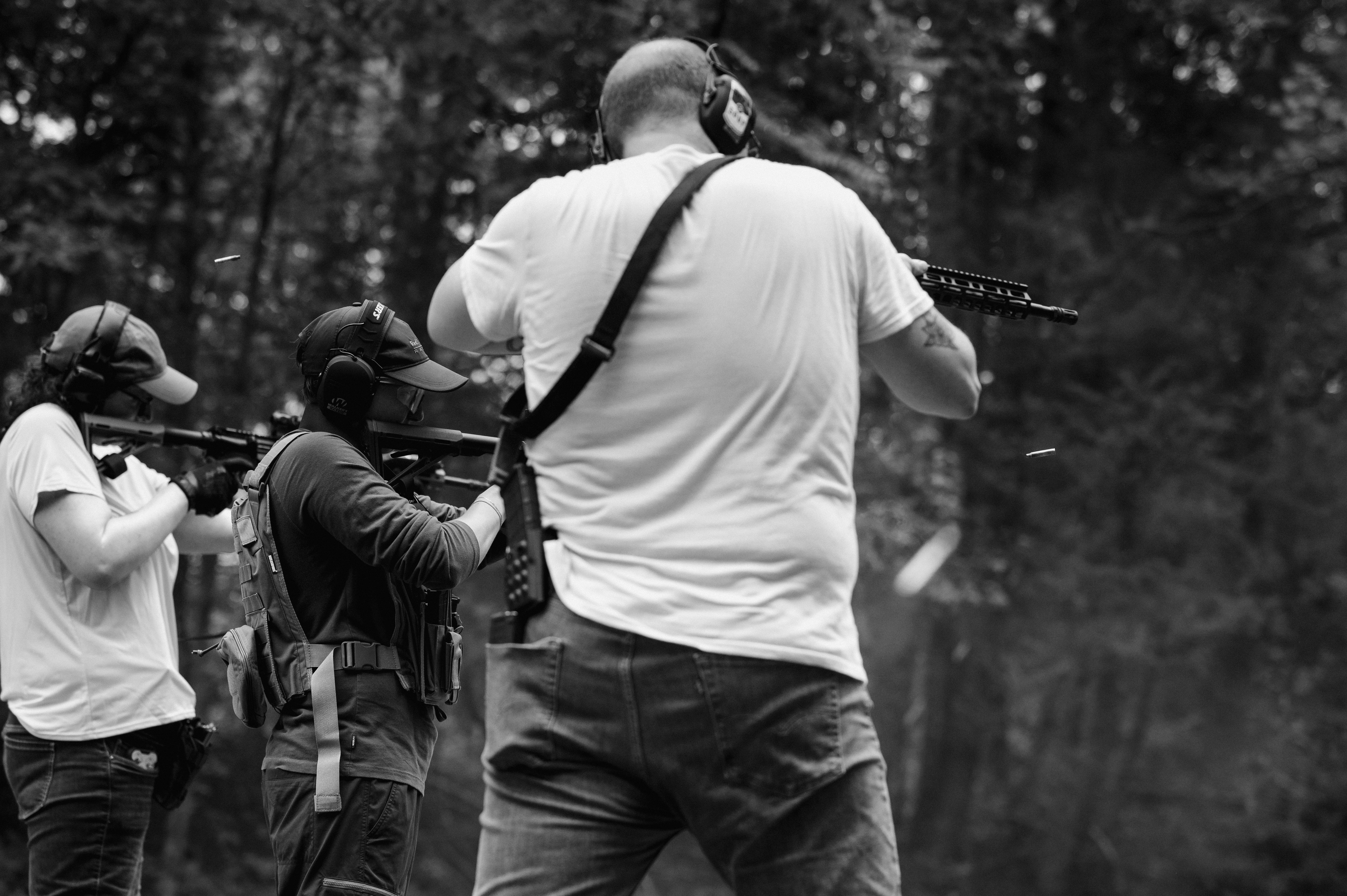
After Donald Trump won the 2024 election, firearms instructor Clara Elliott said her classes began filling up, and have been full ever since.
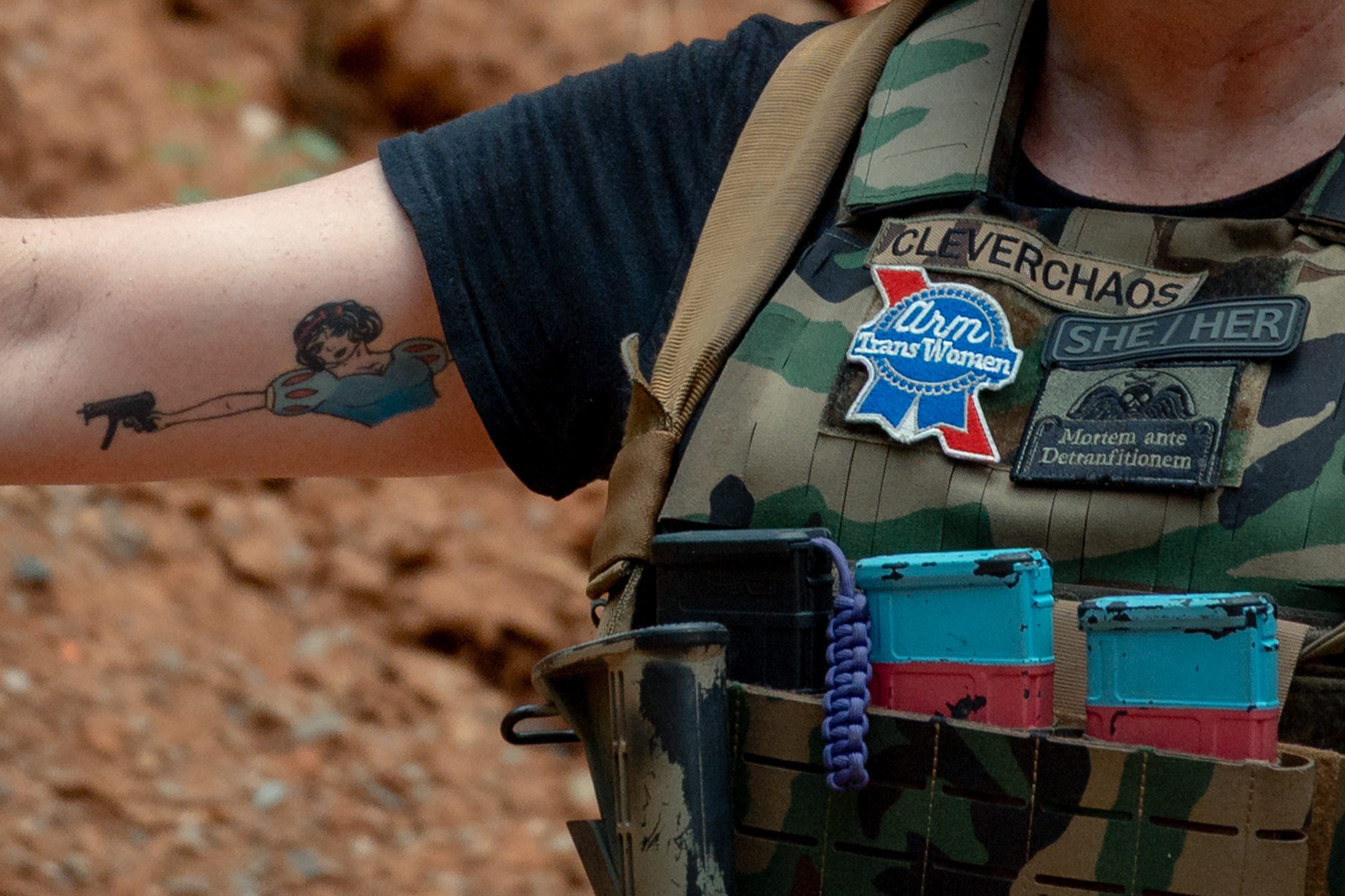
Her company, Arm Trans Women Firearms Instruction (ATW), offers free firearms training to transgender and nonbinary people in Virginia.
On January 20, 2025, Trump signed Executive Order 14168, directing federal agencies to recognize only male and female sex classifications and rejecting gender identity as a substitute for sex. The order also rescinded several Biden-era executive orders addressing LGBTQ+ equality. This EO is one of 50 such federal actions affecting LGBTQ+ people across Trump’s two administrations through October 14, 2026. Some of these proposals and policies were later blocked or reversed.
What follows is a lightly edited interview with Elliott and one of her students, physician Mark Ryan, about how they view changing attitudes toward gun ownership in the queer community.
Clara Elliott (She/Her)
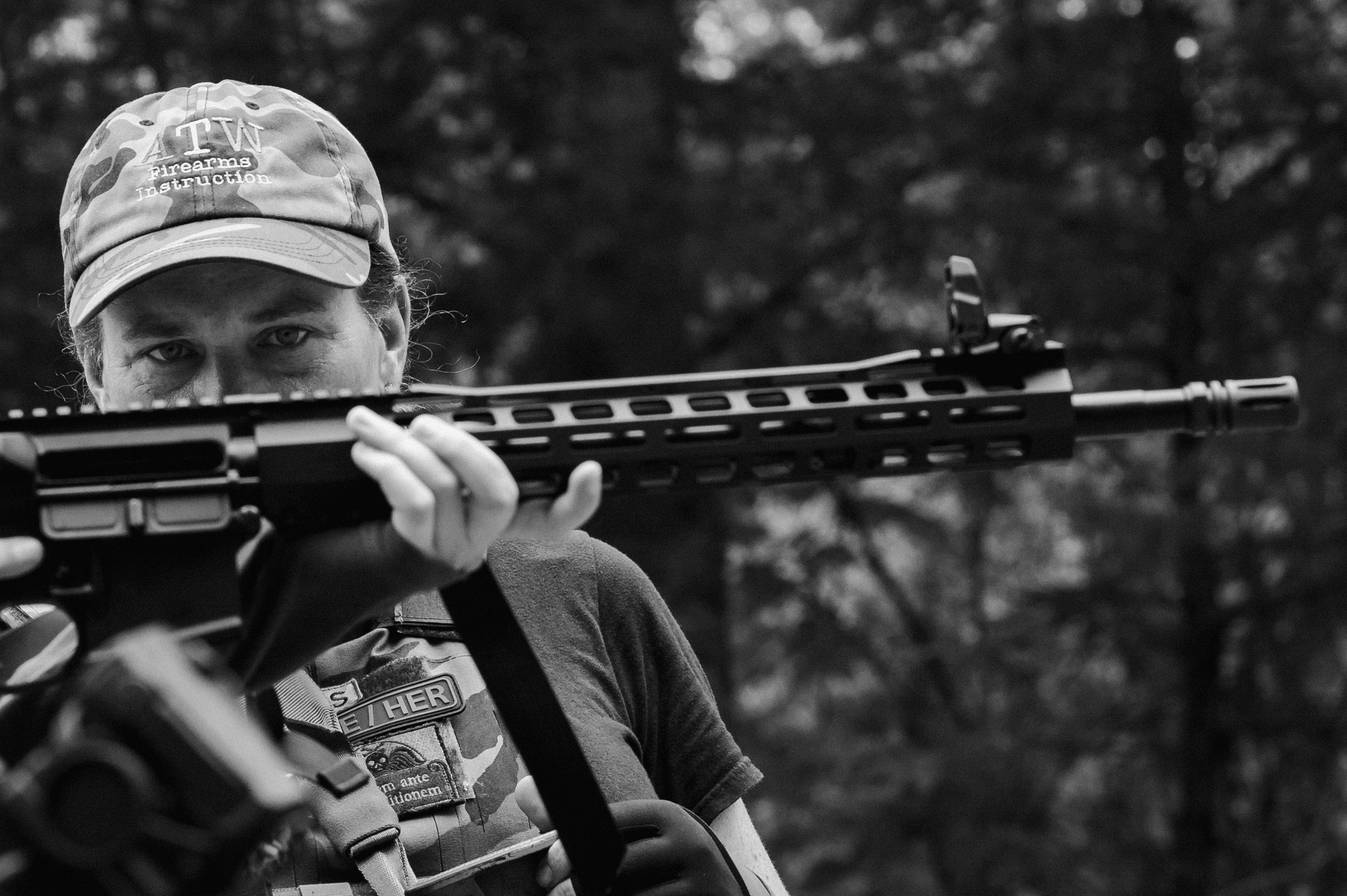
Clara Elliott, 49, is a certified pistol and concealed carry instructor who teaches courses that meet Virginia’s training requirements for a concealed handgun permit. She is the founder and lead instructor of Arm Trans Women Firearms Instruction based in Richmond.
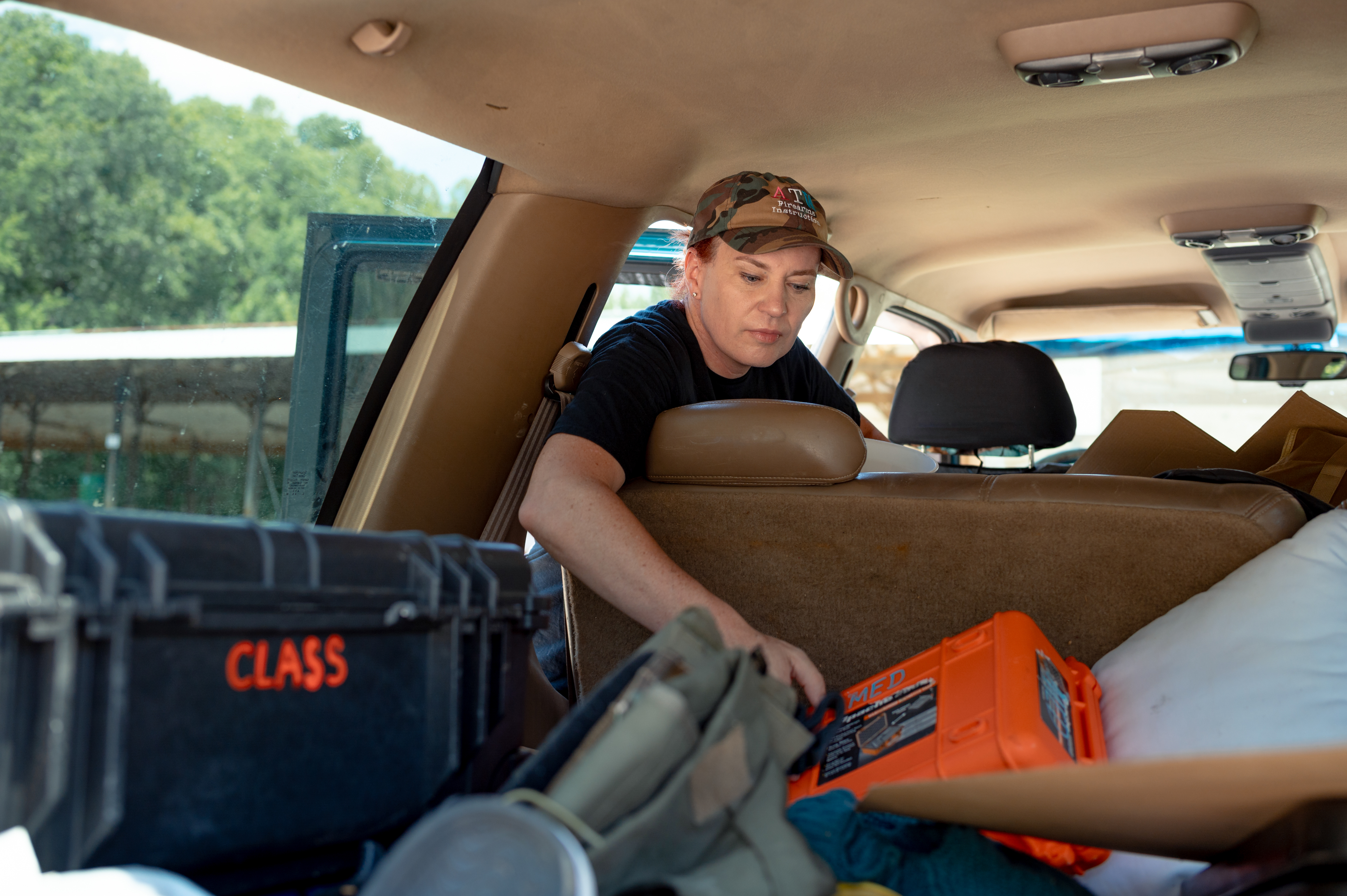
My dad introduced me to shooting a gun when I was 10. I instantly fell in love with that. They definitely went over the rules of gun safety and that kind of stuff.
I transitioned in 2017. From the time I transitioned, I considered myself an ambassador for trans people.
In June, 2020, I was in a gun store waiting to pick up a rifle I purchased online.
There were all sorts of people in there getting firearms at that time because of COVID, the protests and everything like that. So, I'm standing in line and seeing people of all different walks of life, different skin colors, different gender expressions, you name it. And they were looking at purchasing firearms, and you could tell from a lot of the folks there that they weren't used to guns, or they didn't really know much about firearms from the way that they were handling them, from the questions they were asking.
Two guys behind me in line started making some rather unpleasant, derogatory comments about myself and the other people in the shop.
I recognized then that all of these people who weren't part of the mainstream gun culture at the time wouldn't have some place to go and learn about guns where they felt safe.
I had experience creating safer spaces, I had experience as an instructor in other things and I had lots of experience shooting.
I decided that I was going to do something about that and change that landscape so that there would be some place for people to come and learn about firearms and feel comfortable just being themselves.
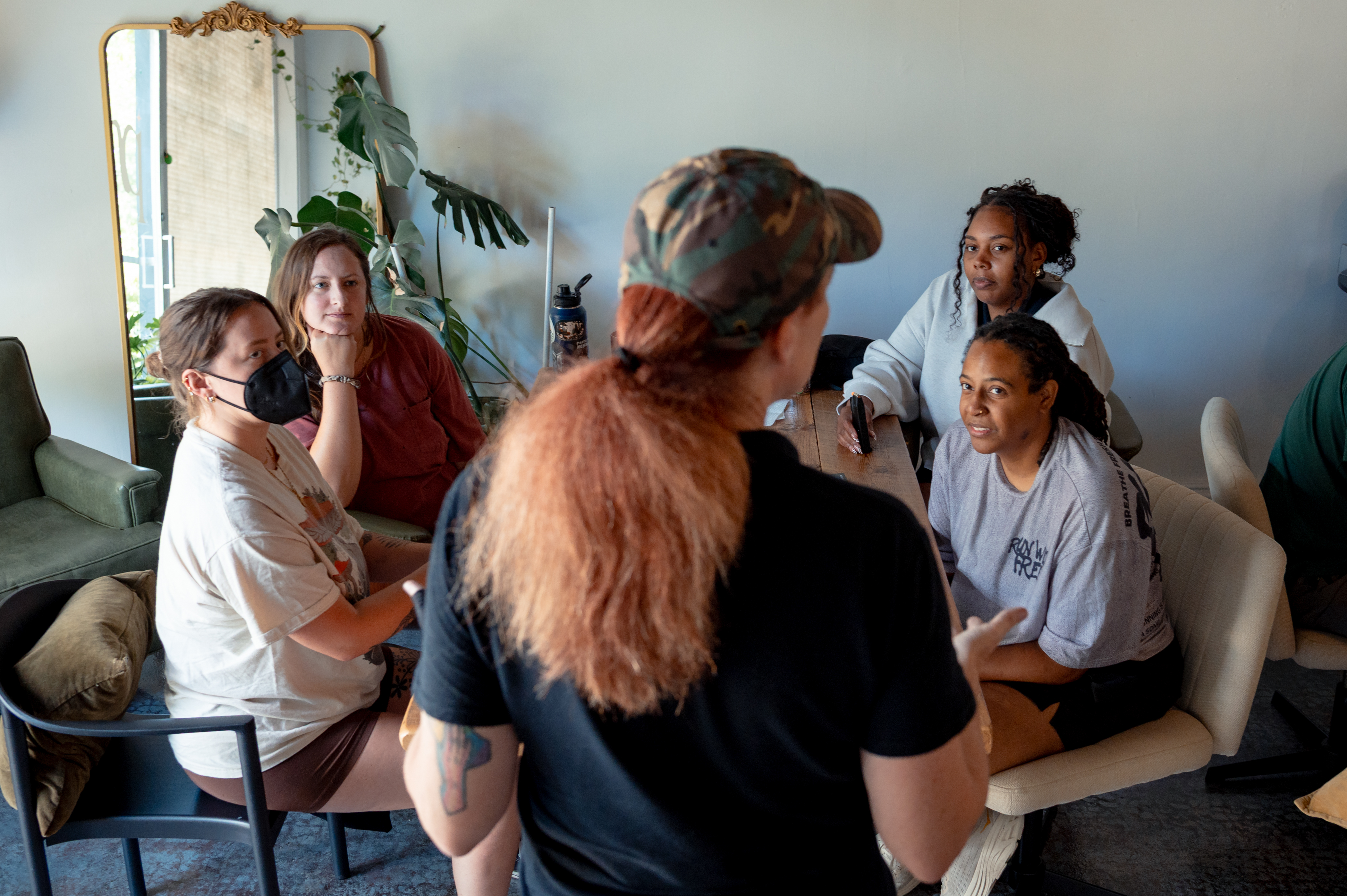
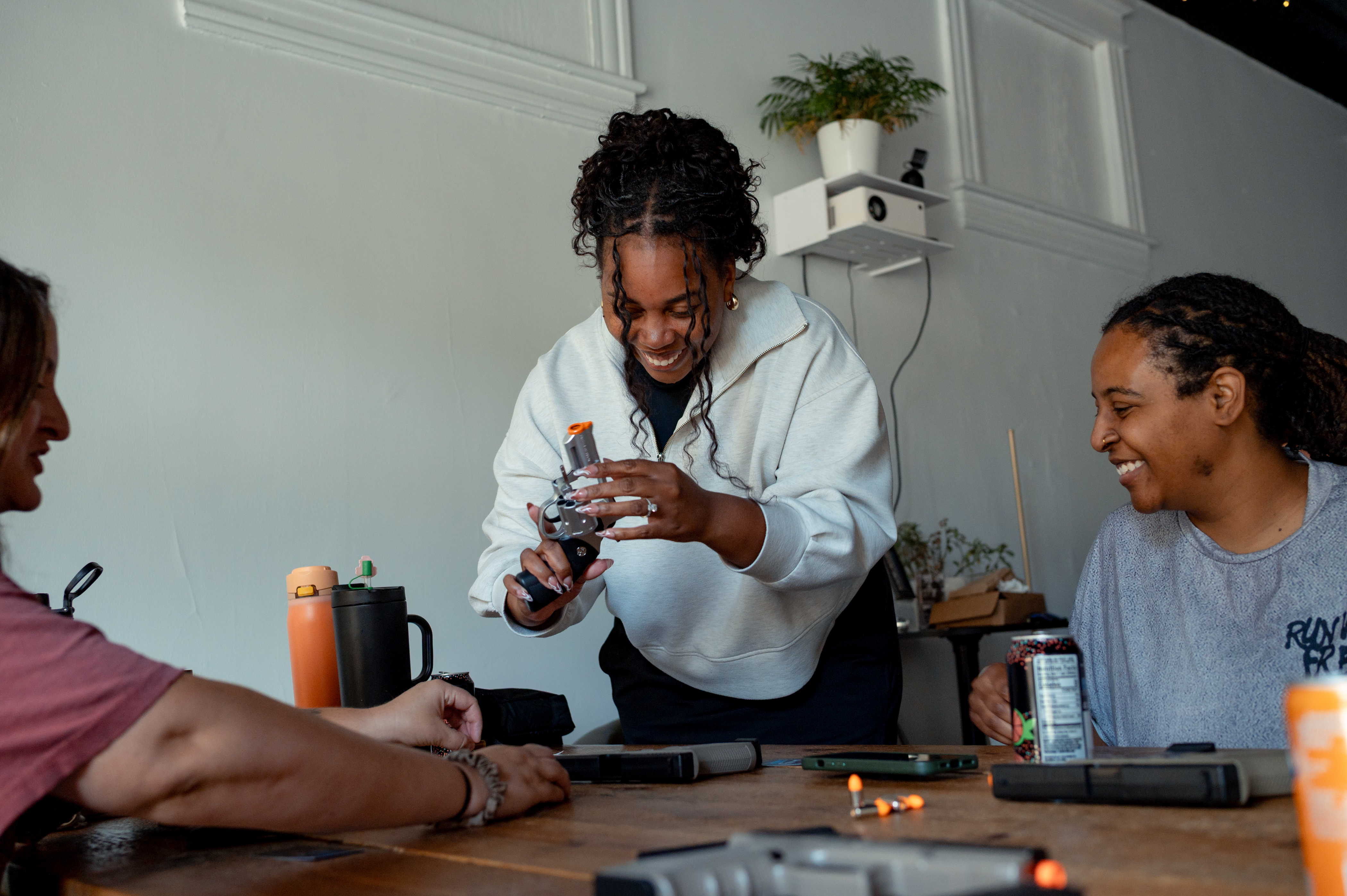
One of the biggest changes that I've seen has been the number of people in them [firearms classes] since the reelection in 2024. There's always obviously been anti-trans stuff. But since 2024 the level of vitriol in the rhetoric has reached massive levels.
My classes started getting filled up, and they have remained full ever since.
The rise in anti-trans legislation, anti-trans violence at random events such as the Venture Inn shooting, and now people are recognizing that there is a real need to be able to defend themselves.
People say, ‘I never wanted to touch a gun in my life. I grew up afraid of guns. I am afraid of guns, but where the world is today, I know that I need to take an active role in this.’
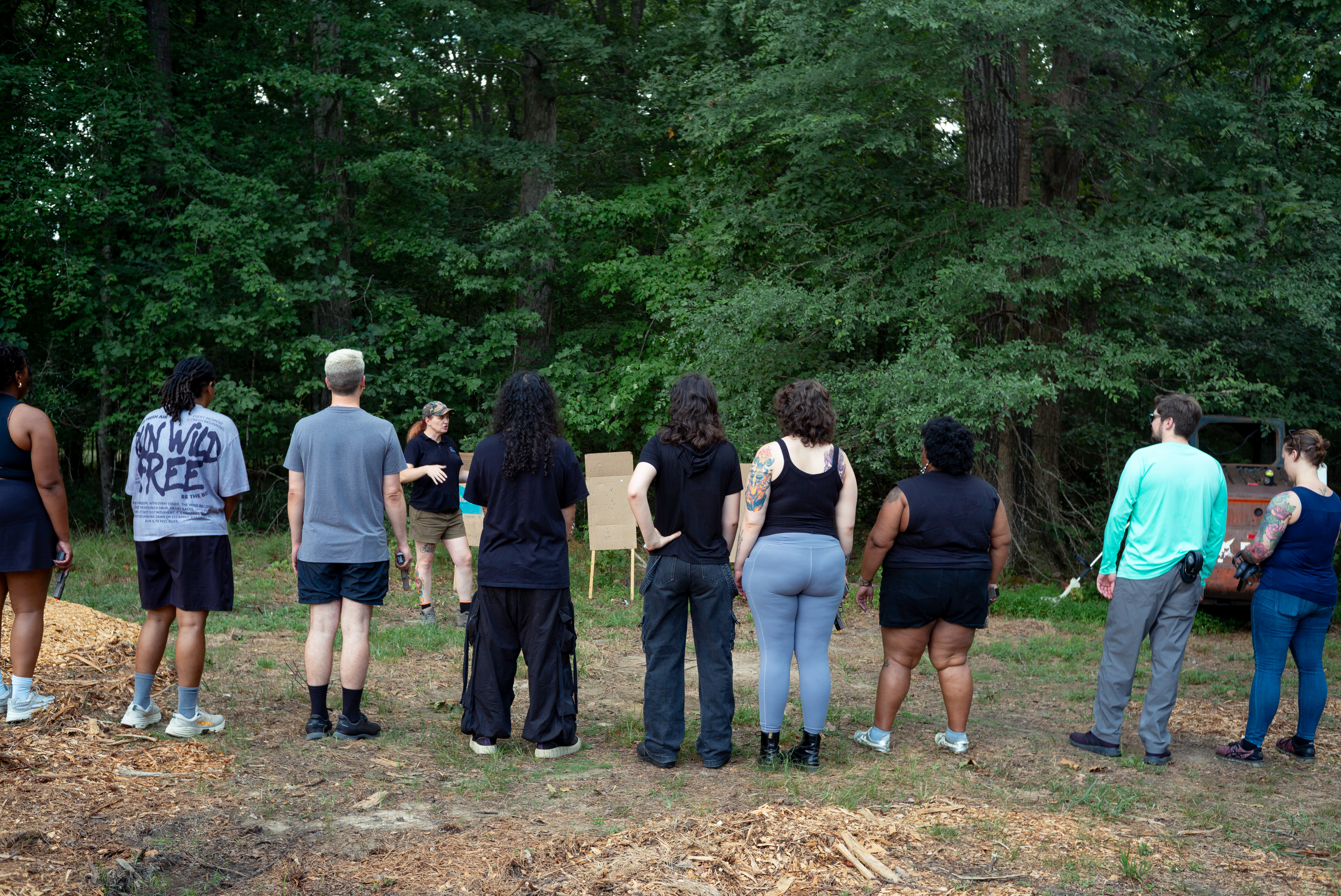
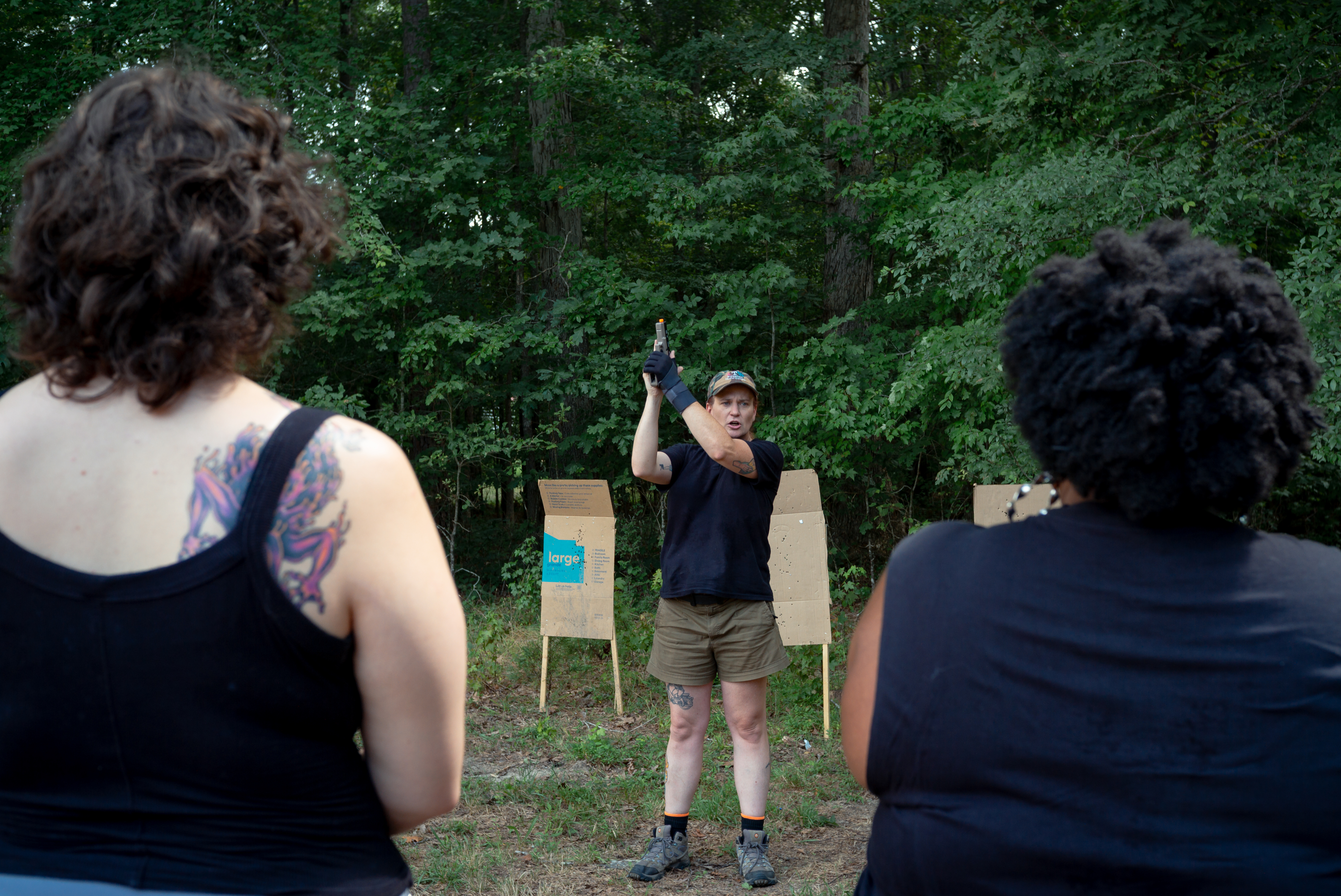
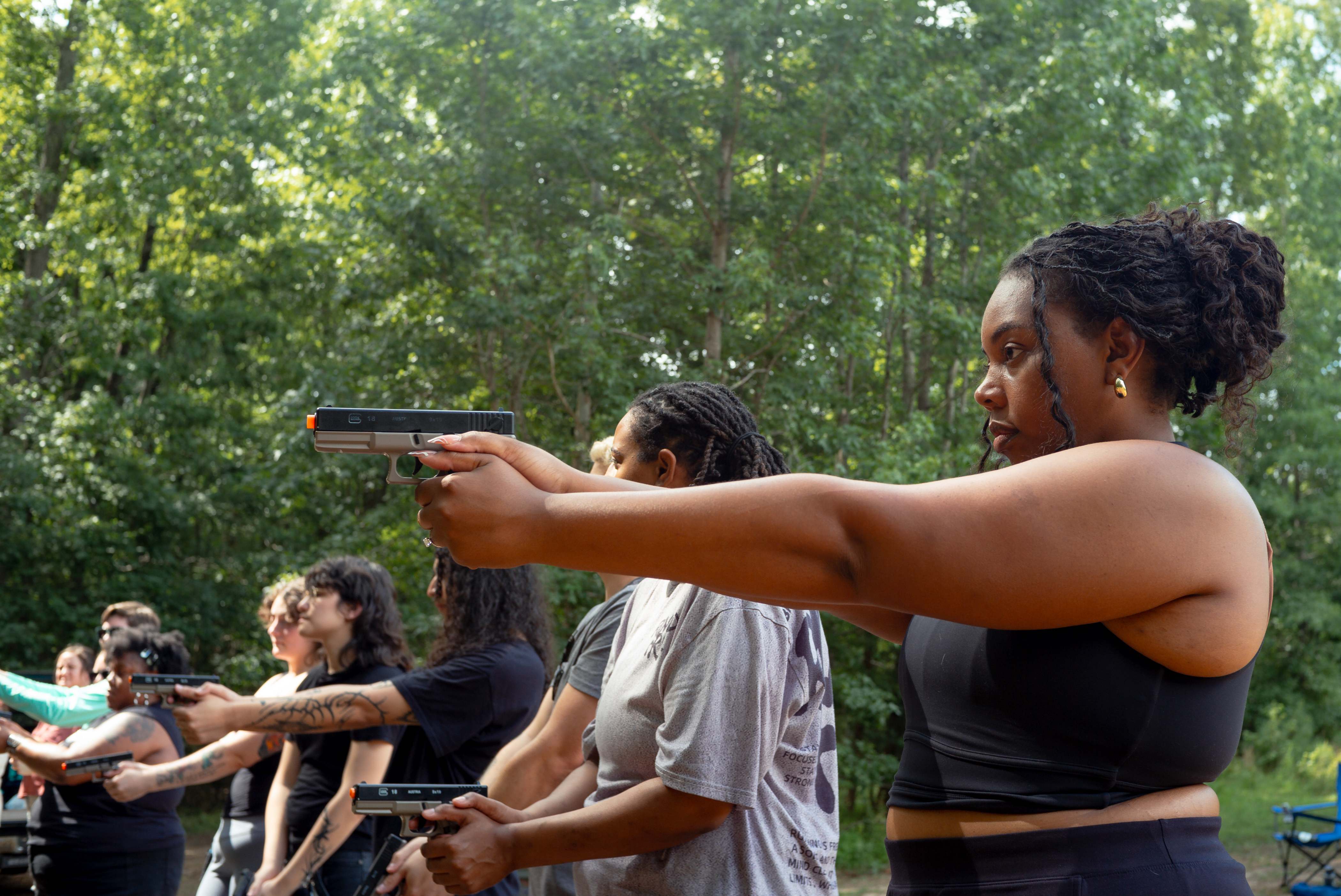
What ATW is here to do is to help people feel comfortable learning to defend themselves.
We understand a lot of people are coming from a place of apprehension or even fear of firearms.
When you begin shooting, there can be a lot of emotional release that goes along with that because we all bring whatever past trauma we have. People will shoot a gun and begin crying because they realize what they have in their hand and what it's capable of. It's so important for us to make sure that everybody understands that that's perfectly natural.
You need to know that you can trust yourself. You need to know that you can trust your instructor. You need to know that you can trust the other people in your class.
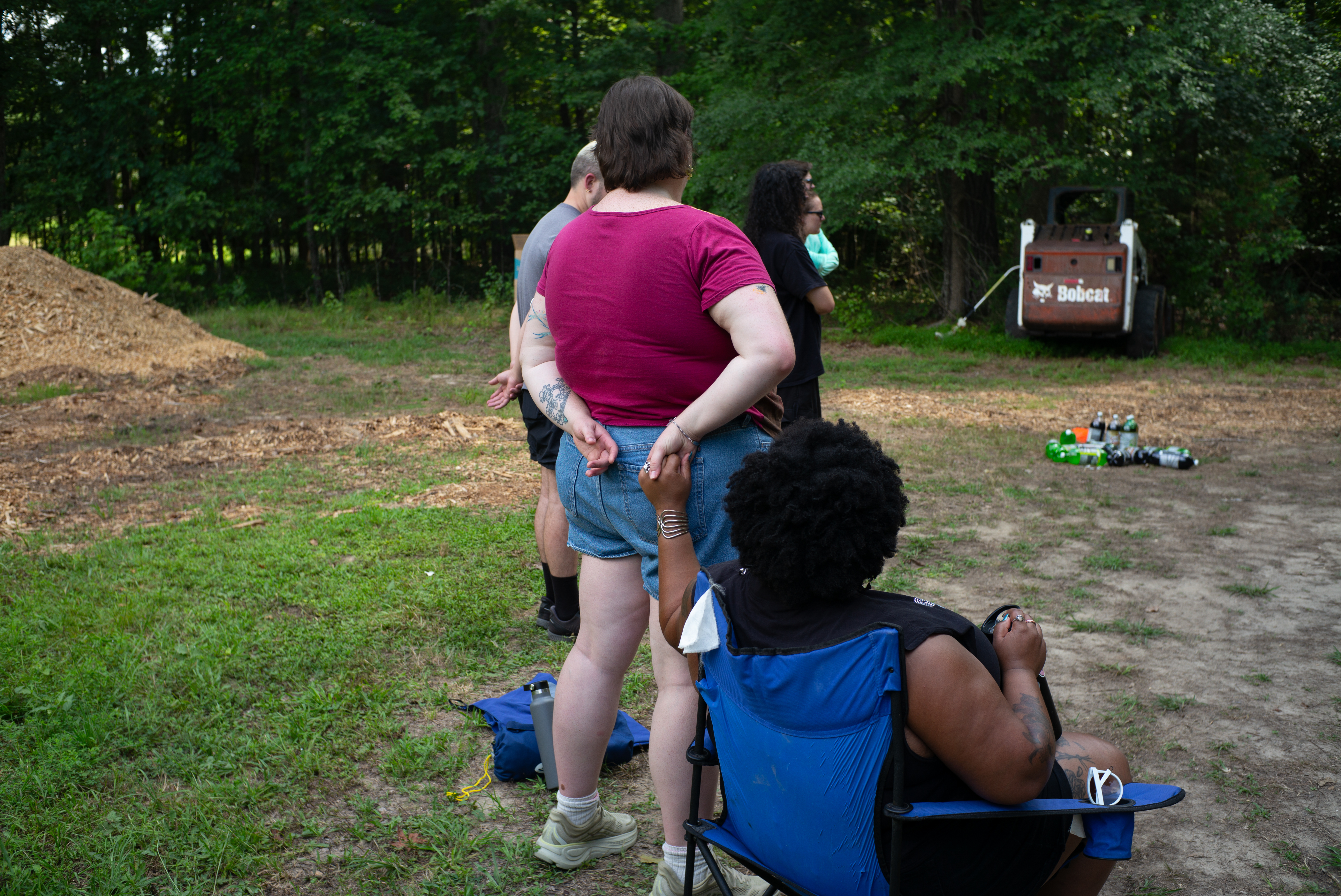
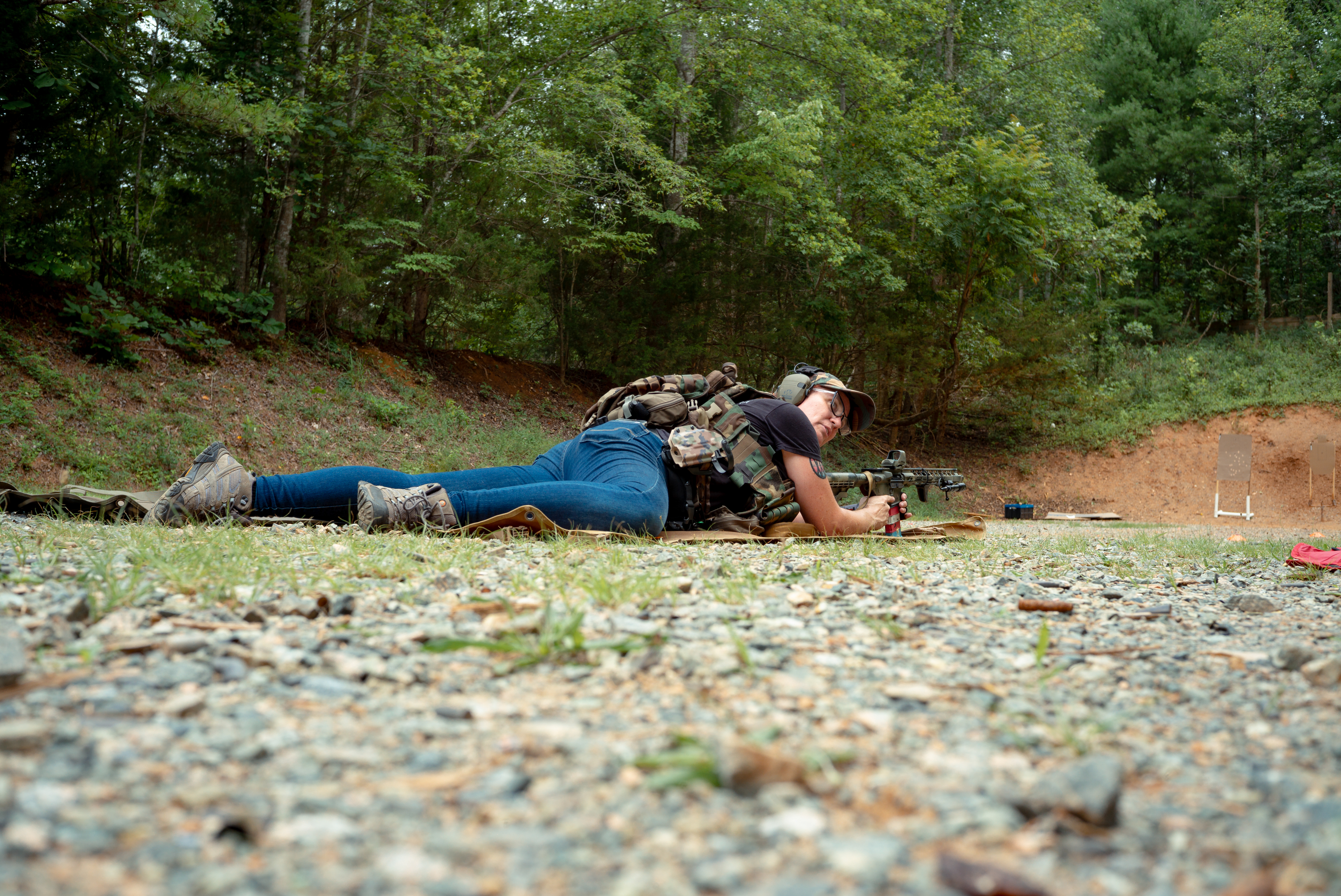
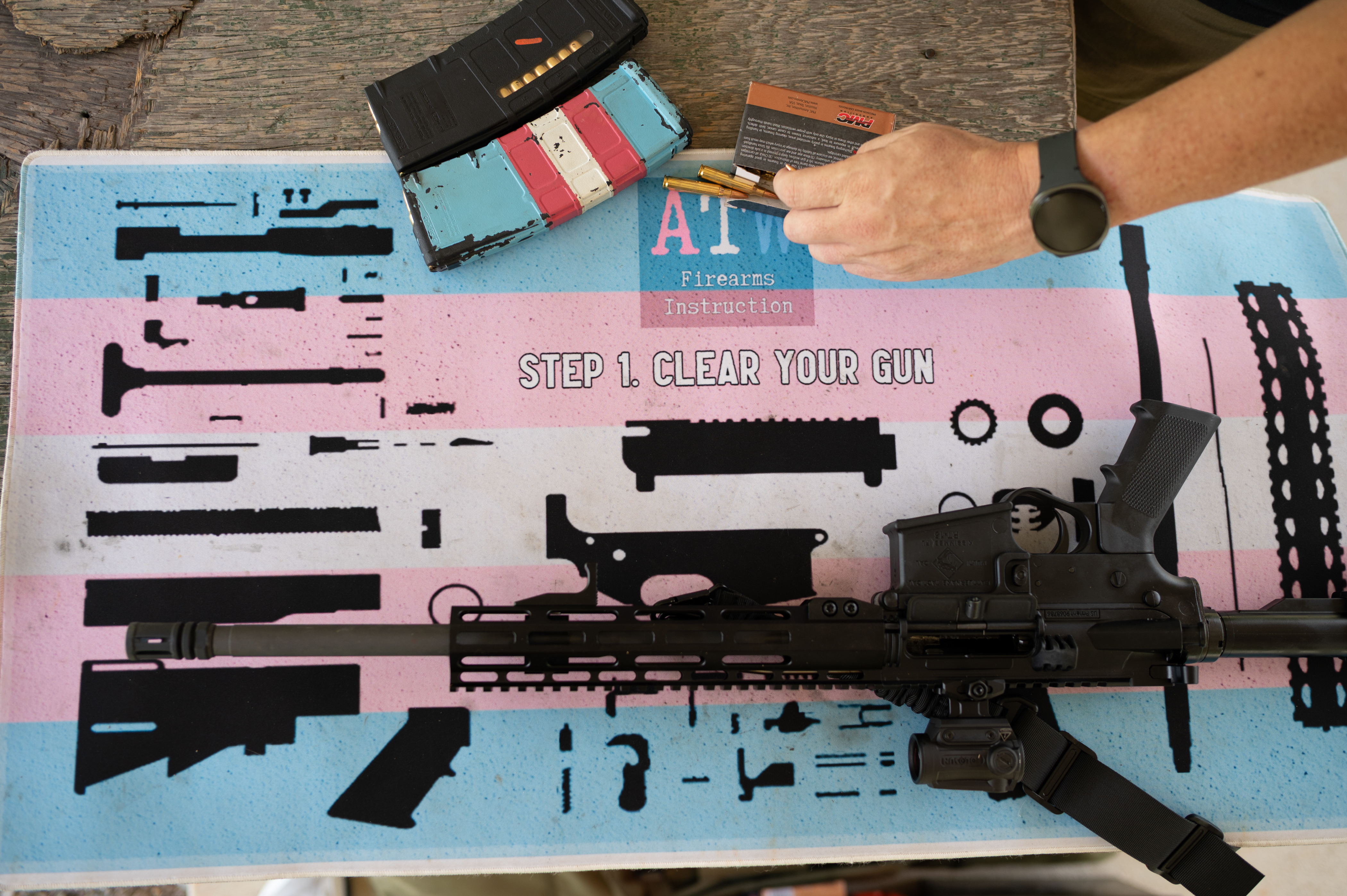
I don't think that there are plenty of straight people who absolutely applaud queer folks having guns.
Anytime there is a post about trans gun owners, or especially gun ownership, within the trans community, it goes immediately to the same arguments each time. “Oh, you people are mentally ill. You're not supposed to have guns in the first place.”
I think that just by being able to interact with trans people, have conversations with trans people and seeing that trans people are just people like anyone else, it goes a long way towards changing those people's minds.
This is just one of many different ways that we can help build community and help people feel like they have a sense of control in a very scary and uncontrolled time.
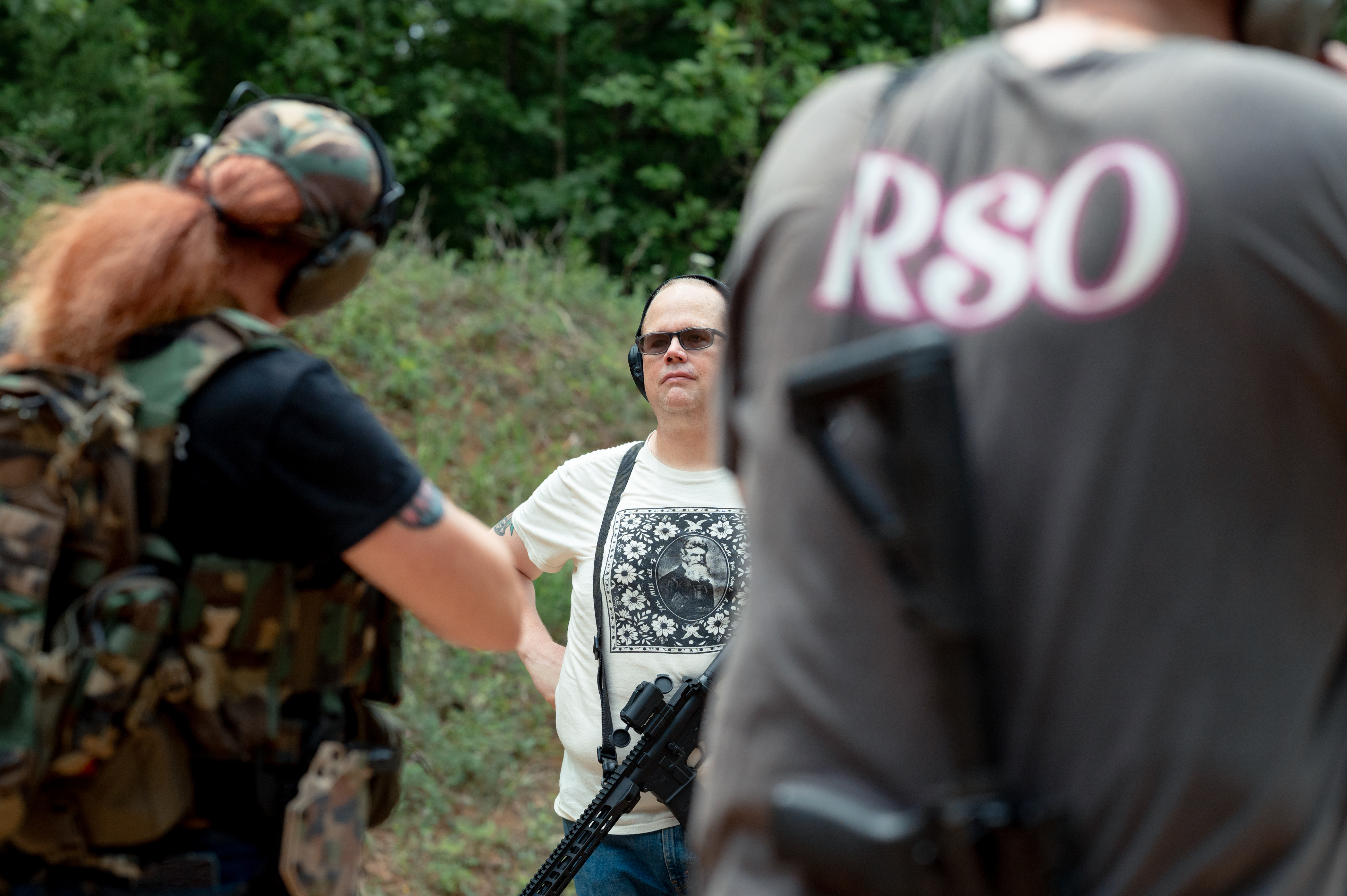
Mark Ryan (He/They)
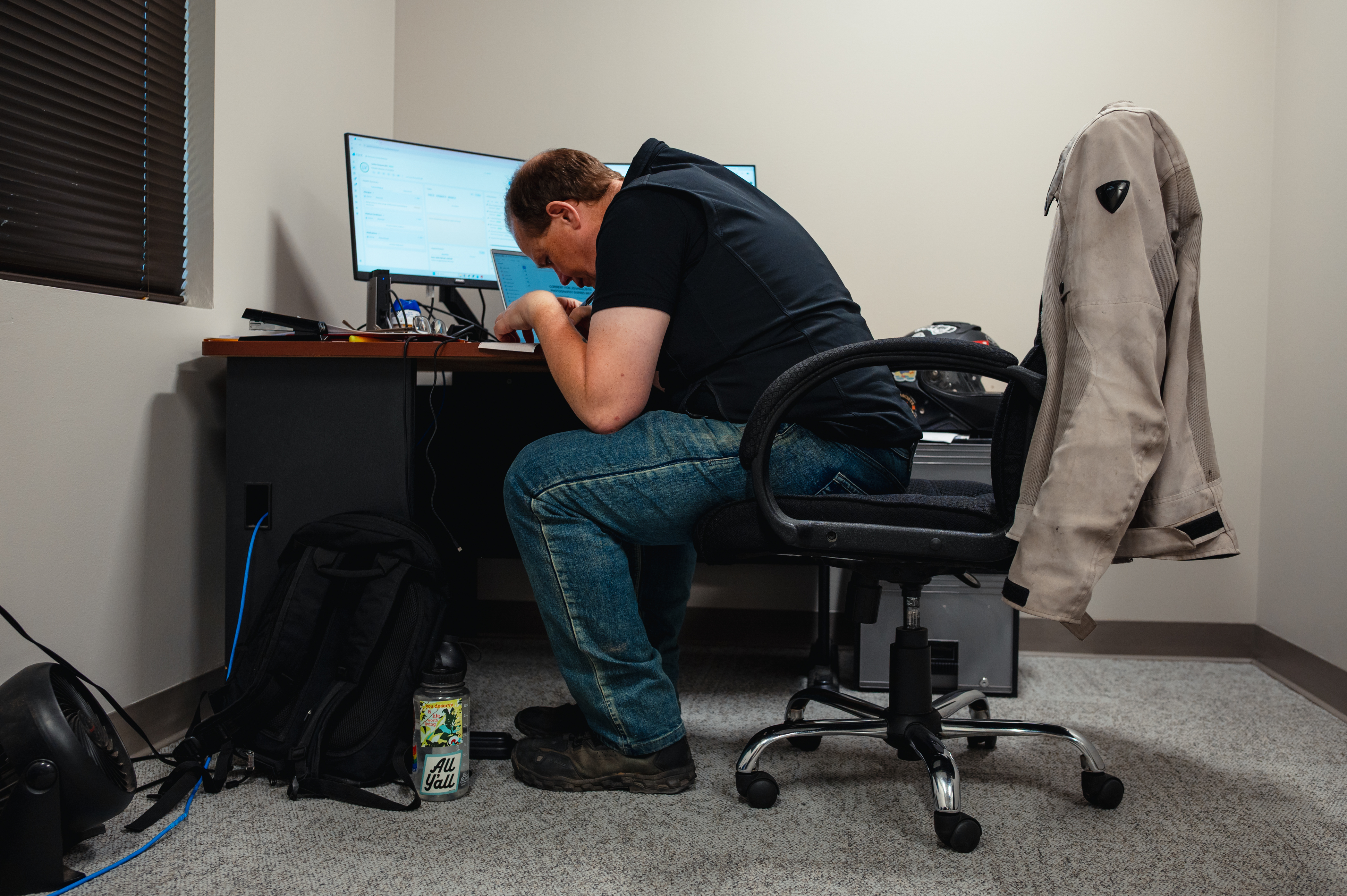
Physician Mark Ryan, 51, founded Sanctuary Family Medicine, a primary care practice serving marginalized communities in and around Richmond, Va., including queer people and immigrants. He previously served as medical director of Virginia Commonwealth University’s International/Inner City/Rural Preceptorship program. He left the university earlier this year after The Children’s Hospital of Richmond at VCU ceased providing gender affirming care for youth under 19.
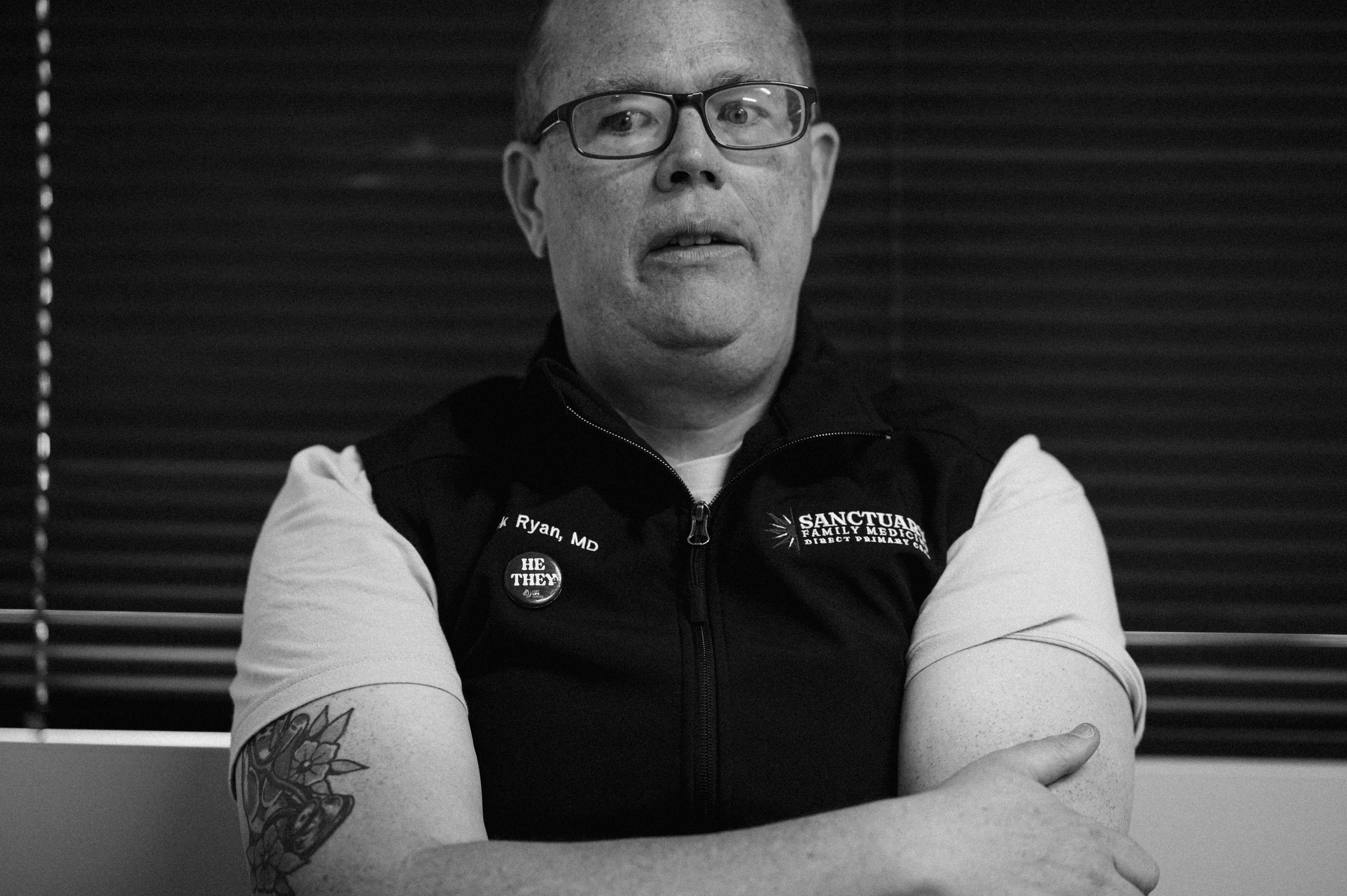
I think there's a general sense among trans people particularly, but I'm sure more broadly in the community, that their humanity and identity is being threatened.
There's this movement nowadays [people] saying, "You are not even a real person. Your sex assigned at birth is who you are, and who you really are is not the real thing."
If you've taken away my identity and my humanity, what other things are potentially at risk?
I hadn't touched a firearm until December of 2025. I had never held [or] shot a gun before, and I had no intention of holding and shooting a gun.
My dad was [in the] Army, so I grew up kind of knowing about guns. But we never went shooting. I don't know that we ever owned a gun.
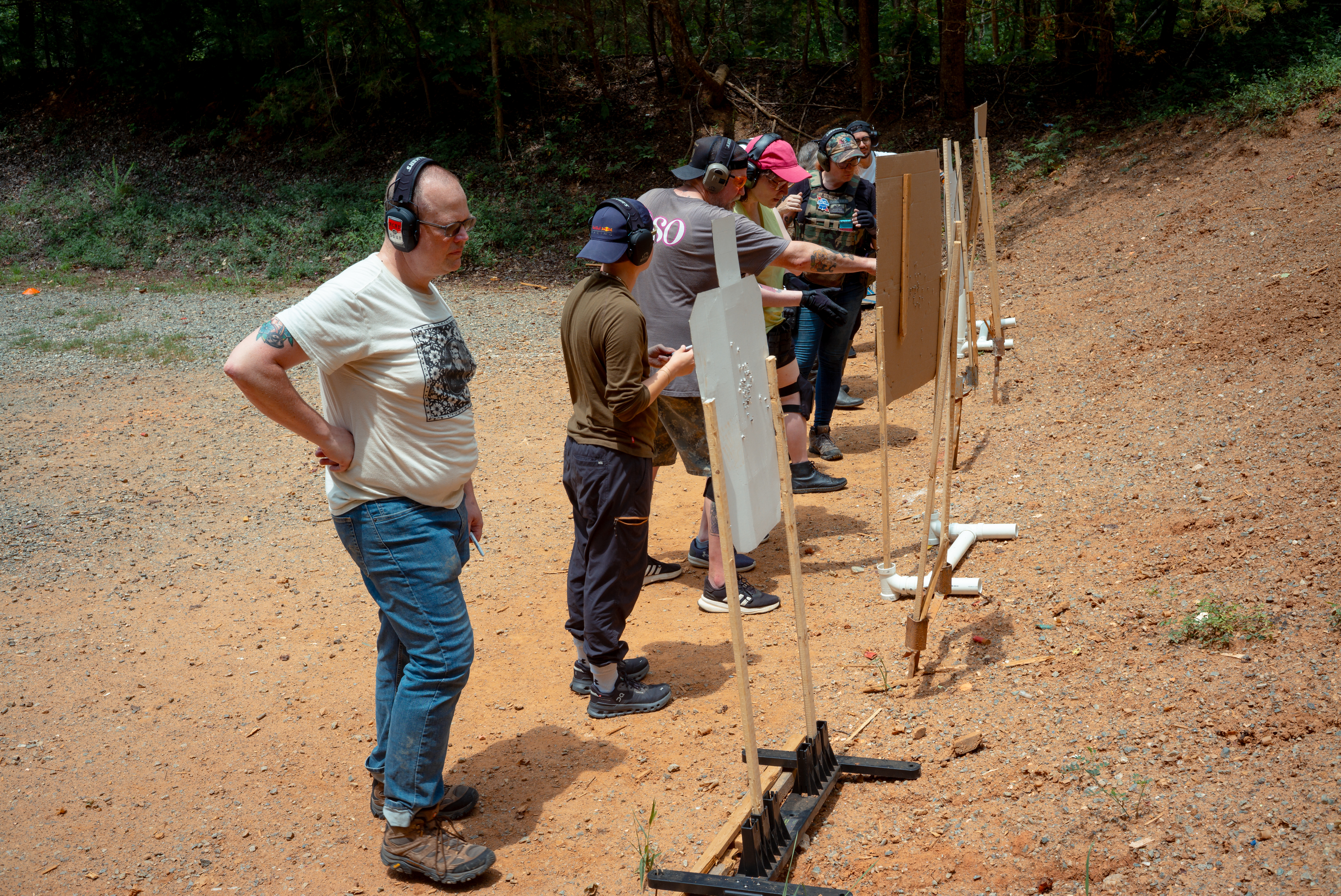
But I felt that it was a life skill that would be good to have. I took Clara Elliott's introduction to pistol shooting.
As I've gone through my gender care journey, I've also realized I'm putting myself into space that I wasn't in before.
As a physician, if you asked me 10 years ago, I would've been very much in favor of limiting access to assault rifles and high-powered firearms because of the damage they do, and the risk of mass shootings.
I hadn't looked at it from the standpoint of people that don't feel that the government is protecting them.
And I think queer and trans people are feeling that intensity.
Who will protect us if something goes down, if something goes wrong, if somebody goes to a trans pride event and wants to cause harm, who's gonna be there to protect and serve?
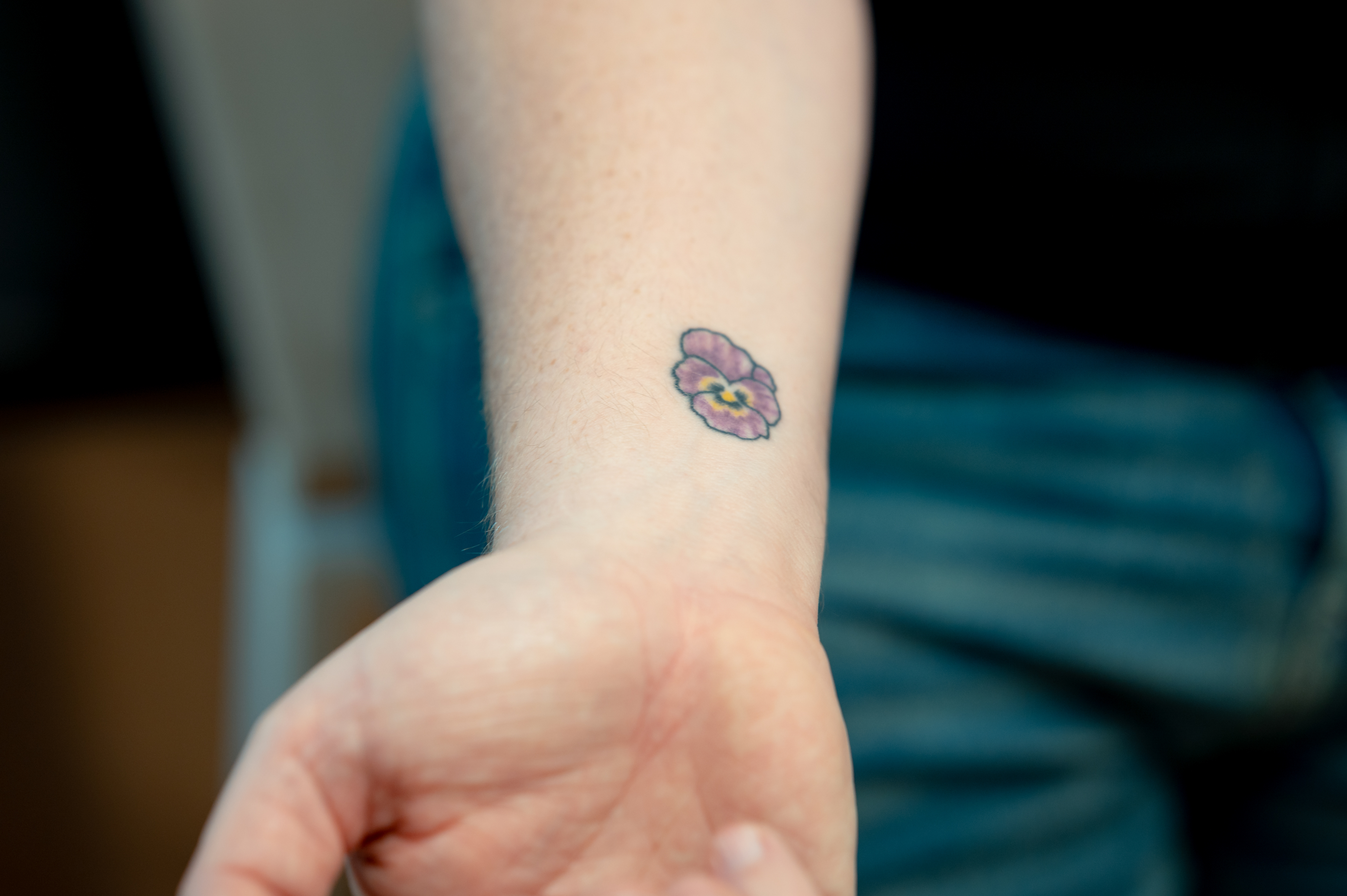
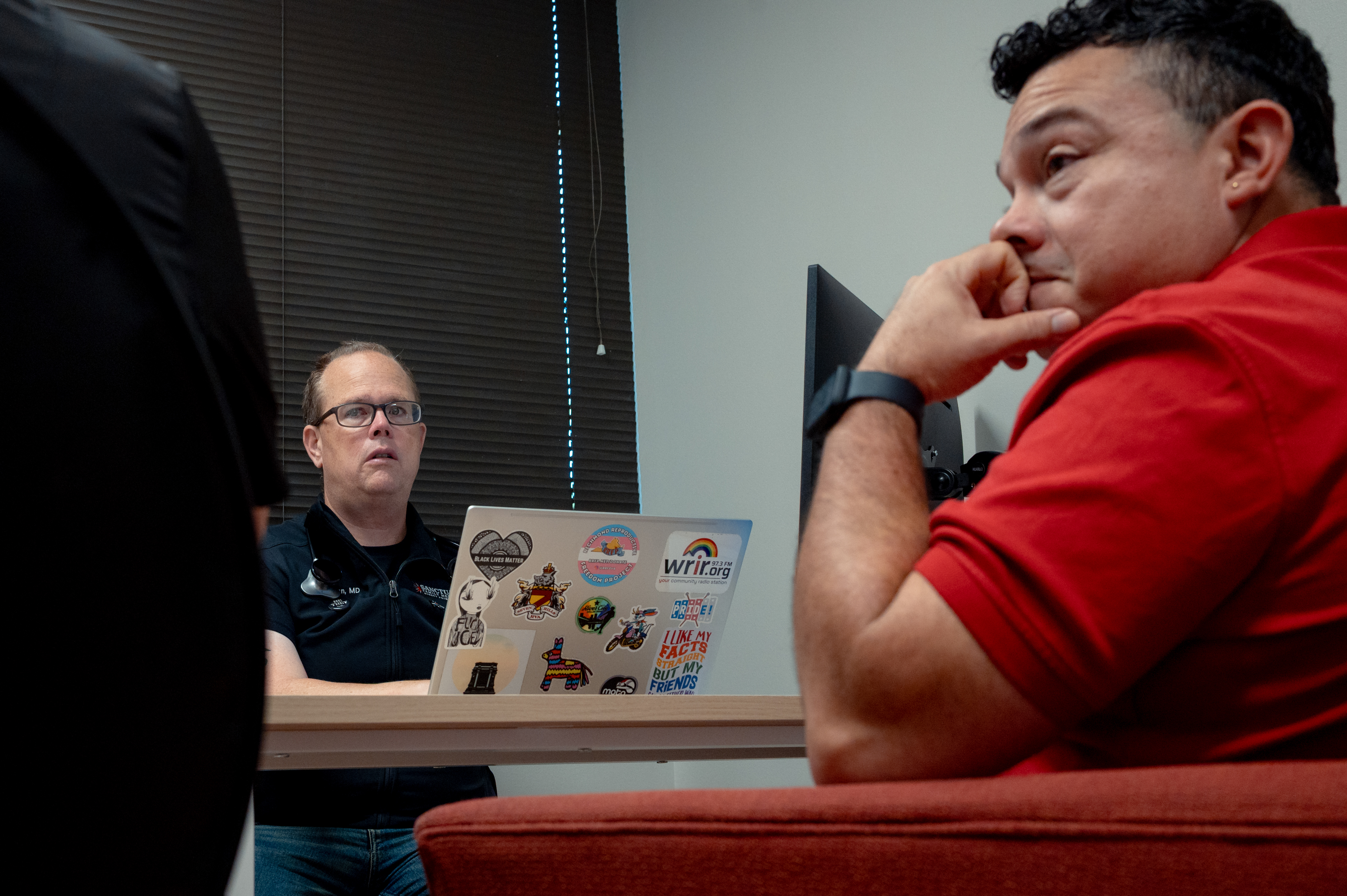
My decision to leave VCU was specifically crystallized by the gender-affirming care decision.
The gender-affirming decision was an executive order. It's never been law.
The biggest change immediately is places that used to historically offer access for care, having to end that or limit it or walk it back in some form including major academic centers in Virginia [which] eventually stopped providing gender-affirming care for people under nineteen because of the federal policy threats around federal funding for clinical care and for research.
It's life-saving in some cases.
We have to get to a point where trans identities are not political pawns anymore, right? We have to get to a place where getting trans care is the same as getting diabetes care, is the same as getting anxiety treatment, is the same as getting your blood pressure, same as getting your Pap smear.
It's just part of the care you need for who you are.
If somebody came to this office and wanted to hurt somebody how would we stop them?
I don't think I'm gonna give [guns] up anytime soon, because I don't know what the next 20, 30, 40 years have in store for us.
— Mark Ryan